
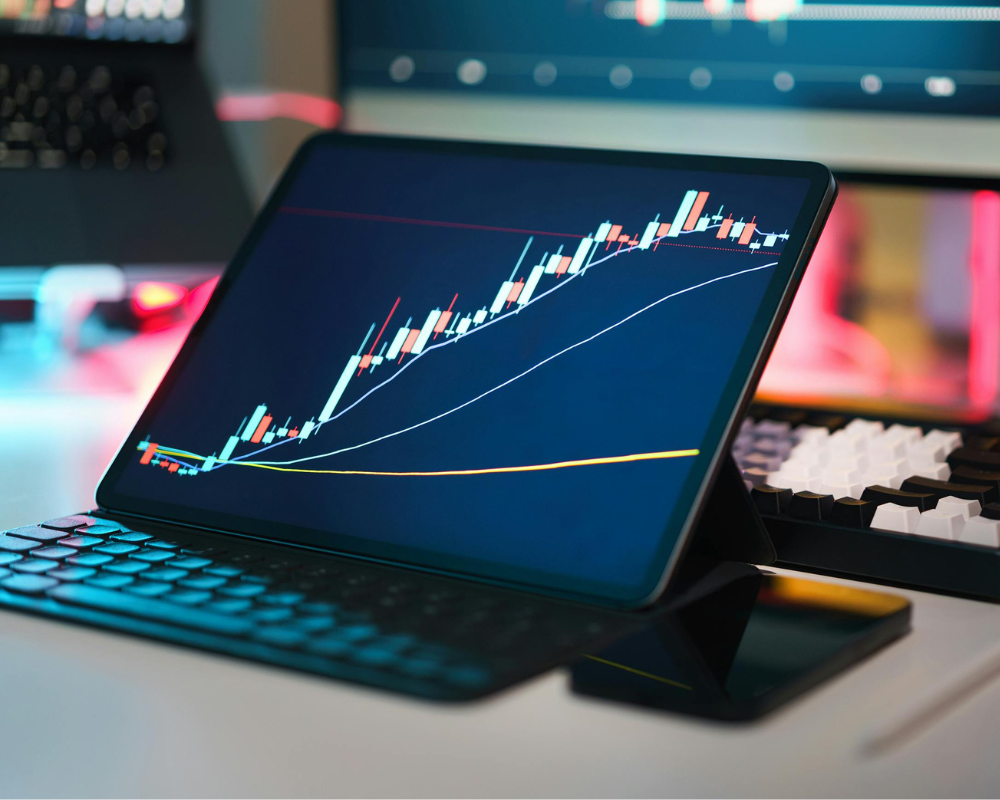
Forex trading has become very popular in recent years. Many people from Muslim countries want to learn it as a skill. But one important question always comes first: Is forex trading halal in Islam?
This guide will help you understand the answer in a simple and clear way.
Understanding What Forex Trading Really Is
Forex trading means buying and selling currencies. For example, buying USD with PKR and selling it later when the price changes. It is basically a business of exchanging money. In Islam, buying and selling is allowed as long as it follows the rules of fairness and honesty.
So the main question becomes: Does forex follow Islamic rules or break them?
Key Islamic Rules for Currency Trading
To understand if forex is halal, we need to look at the main Islamic principles related to currency exchange:
No Riba (Interest)
Islam does not allow interest. In forex, some brokers charge “swap fees” or overnight interest. Trading with such accounts is not halal.
Hand-to-Hand Exchange
In Islam, when you exchange money, it must be done instantly. This is called spot trading. So if your trade settles instantly and there is no delay that causes interest, it is allowed.
No Gambling
Islam forbids gambling and taking blind risks. Forex trading should be a skill-based activity, not a game of luck. If someone trades without knowledge or just “guesses,” it becomes similar to gambling.
So, Is Forex Trading Halal?
According to many Islamic scholars, forex trading is Halal if it follows these conditions:
- You trade through a swap-free Islamic account.
- The exchange happens instantly.
- You do not use leverage that causes interest.
- You trade with proper knowledge and avoid gambling-like behavior.
If any of these rules are broken, then the trading becomes haram.
What About Leverage?
Leverage is a big concern in Islamic finance. Some brokers offer leverage without charging interest. In that case, many scholars consider it allowed because no riba is involved.
But if leverage has hidden fees or interest, then it is not halal.
Choosing the Right Broker
To trade in a halal way, choose a broker that offers:
- Islamic swap-free accounts
- No hidden interest charges
- Transparent fees
- Spot trading execution
Always read the terms clearly before depositing money.
Final Thoughts
Forex trading can be halal if done according to Islamic rules. The responsibility is on the trader to choose the right account, avoid interest, and trade with knowledge.
At Bukhari Forex Academy, we guide students on how to trade ethically and responsibly. With the right approach, forex can become a skill that supports your financial goals without crossing Islamic boundaries.